Gout After 40: The Metabolic Warning Behind the Big Toe Attack
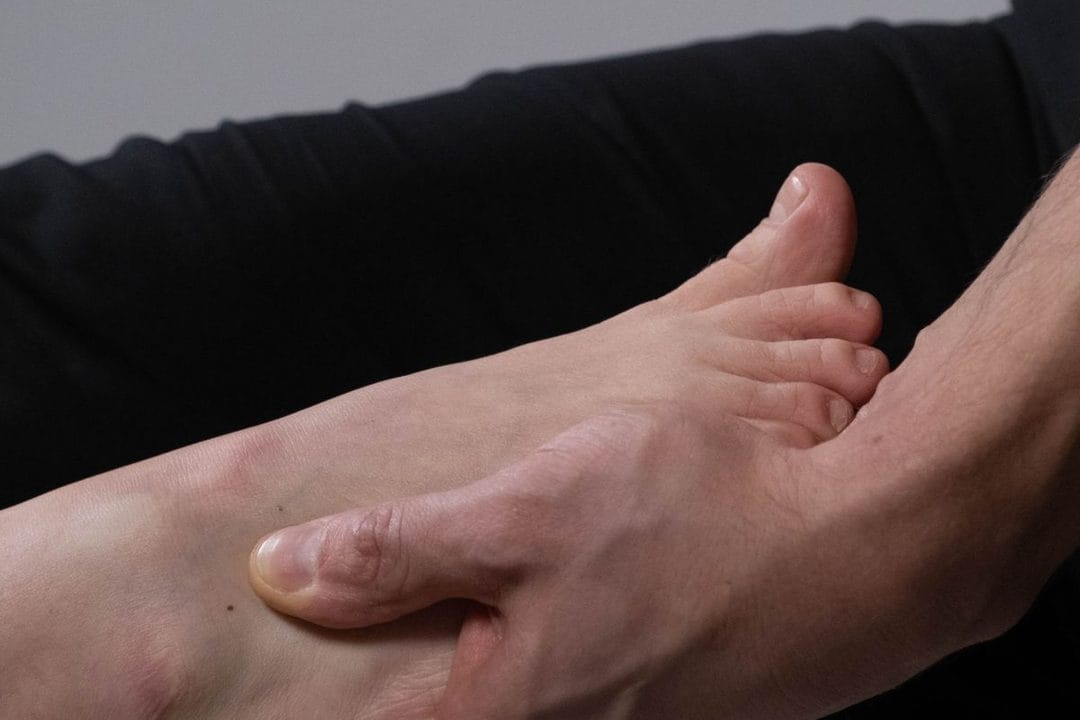
It usually starts around three in the morning. A man wakes up because his big toe feels like someone has closed a car door on it. There's no injury, no warning — just a joint that has gone from normal to unbearable in the space of a few hours. The skin over the joint is often shiny and red, and even the weight of a bedsheet is enough to make him swear out loud. This is the opening act of gout, and for a condition most people associate with Victorian caricatures of port-drinking aristocrats, it is remarkably common in ordinary men in their forties and fifties right now.
The Joint That Announces Itself at 3am
Gout affects roughly one in forty adults in the UK, and in the United States the CDC estimates it touches around 9.2 million adults, close to 4% of the population. It is the most common form of inflammatory arthritis in men, striking two to four times more often in men than in women before the age of 65. Part of the reason is hormonal: oestrogen helps the kidneys clear uric acid, and men lose that protection decades earlier than women do. The first attack lands on the base of the big toe — the medical term is the first metatarsophalangeal joint — in roughly half of all cases, though ankles, knees, and even fingers can be the opening venue. What makes the pain so specific is that it isn't inflammation in the usual sense. Needle-shaped crystals of monosodium urate form directly inside the joint fluid, and the body's immune system reacts to them the way it would react to a splinter, flooding the area with white blood cells and inflammatory chemicals until the joint is swollen, hot, and genuinely too painful to bear weight on.
Where the Uric Acid Actually Comes From
Uric acid is a normal by-product of breaking down purines, compounds found in your own cells and in a wide range of foods. Most people manage a stable balance between how much urate their body produces and how much their kidneys excrete. Gout develops when that balance tips — usually because the kidneys aren't clearing urate fast enough, not because someone is eating an unusual amount of purines. Genetics plays a bigger role here than most men assume. Variants in genes like SLC2A9 and ABCG2, which control how the kidneys handle urate, account for a large share of who develops gout and who never does, even among men eating similar diets.
Diet still matters, just not in the way the old "give up red meat" advice suggests. Organ meats — liver, kidney, sweetbreads — carry the highest purine loads of anything on a plate, followed by anchovies, sardines, mussels, and other oily seafood. Beer is a separate problem entirely: it raises uric acid more than an equivalent amount of spirits, because the yeast used in brewing is itself purine-rich on top of whatever alcohol does to kidney excretion. Sugary drinks sweetened with high-fructose corn syrup are arguably worse than either. Fructose gets metabolised in a pathway that generates uric acid as a direct side effect, which is part of why gout rates have climbed alongside soft drink consumption over the past few decades. A few foods get unfairly blamed:
- Spinach, asparagus, and mushrooms contain purines but don't meaningfully raise gout risk — plant-based purines behave differently from animal ones once digested.
- Moderate coffee drinking is associated with lower uric acid levels, not higher, in several long-running cohort studies.
- Dairy, oddly, appears mildly protective rather than a trigger, which surprises most men who assume all rich food is the enemy.
Cut the beer and the sugary drinks before you touch the steak. That's the one piece of dietary advice worth taking seriously, and it's backed by better evidence than most of what gets repeated about red meat.
The Kidney Connection Nobody Explains Properly
Because roughly 90% of gout cases come down to under-excretion rather than overproduction, kidney function sits at the centre of the whole condition. When the kidneys are already working below capacity — from ageing, high blood pressure, or early chronic kidney disease — urate builds up in the blood simply because less of it is leaving the body. That's the direction most men have heard about. The relationship runs the other way too: persistently high uric acid appears to contribute to kidney damage over time, and urate crystals occasionally form directly in the kidneys as stones, accounting for around one in ten kidney stones. A man with both reduced kidney function and gout is often looking at two conditions feeding each other, not two separate problems that happen to coincide.
Gout and Your Heart
Large observational studies have consistently found that men with gout carry a higher risk of hypertension and coronary artery disease than men without it, independent of the usual shared risk factors like weight and alcohol. Whether elevated uric acid directly damages blood vessels, or whether it's simply a marker riding alongside the metabolic problems that also drive heart disease, is still debated among researchers. What isn't debated is the practical implication. A gout diagnosis in your forties is a reasonable prompt to check blood pressure and get a proper look at cardiovascular risk factors, not just to treat the joint and move on.
Getting Tested: When the Number Matters and When It Doesn't
Uric acid crystallises once blood levels pass roughly 6.8 mg/dL (404 μmol/L) — that's the physical saturation point, not an arbitrary cut-off. A simple blood test measures serum uric acid, and GPs will often order one when gout is suspected. Here's the part that trips people up, though. A meaningful number of men have a genuinely normal uric acid reading during an acute attack, because the inflammatory response itself can temporarily lower blood levels even as crystals sit in the joint. And plenty of men walk around for years with uric acid comfortably above that saturation threshold and never have a single attack. A high number alone doesn't diagnose gout, and a normal number during a flare doesn't rule it out. The only fully definitive test is joint fluid aspiration, where a doctor draws fluid from the swollen joint and looks for the needle-shaped crystals under a polarising microscope. It's not something every GP will reach for on a first presentation, but it's worth asking about if attacks keep recurring and the diagnosis feels uncertain.
Surviving an Acute Attack
Once an attack has started, the goal is calming the inflammation as fast as possible. Three options dominate first-line treatment: high-dose NSAIDs such as naproxen or indomethacin, low-dose colchicine, or a short course of oral steroids like prednisolone for men who can't tolerate the first two. Ice on the joint and staying off it helps mechanically. What you shouldn't do is start or stop a urate-lowering drug like allopurinol in the middle of an attack. Swinging uric acid levels around during a flare tends to make the pain worse, not better, even though the drug is exactly what you'll want once things settle down.
The Treatment Mistake Most Men Make
Allopurinol is the first-line urate-lowering therapy, typically started at a low dose around 100mg a day and increased gradually until blood urate sits below the treatment target of 6 mg/dL (360 μmol/L) under the American College of Rheumatology's 2020 guidelines. In the UK it's sold under the brand Zyloric, among others. Febuxostat is the usual alternative for men who can't tolerate allopurinol, but it carries an FDA boxed warning since 2019 after the CARES trial found a higher rate of cardiovascular death compared with allopurinol, so it isn't the automatic second choice it once was.
The single biggest mistake men make with this treatment has nothing to do with which drug they're on.
It's stopping the medication once the pain goes away. Allopurinol doesn't treat pain — it lowers the uric acid that causes crystals to form in the first place, and that only works if you keep taking it indefinitely, the same way a statin only lowers cholesterol for as long as you're on it. Men who feel fine after a few weeks and quietly stop refilling the prescription are setting up the next attack, sometimes worse than the first, because urate levels climb straight back to where they started. If you've been prescribed allopurinol, keep taking it. The absence of pain is the medication working, not a signal that you no longer need it.
What Actually Moves the Number
Weight loss has more effect on uric acid than almost any dietary tweak. Losing even 5–10% of body weight measurably lowers serum urate in men who are overweight, on top of everything else it does for blood pressure and joint load. Alcohol reduction matters more than most men want to hear, and it's beer specifically, more than wine or spirits, that does the damage. A 2012 study from Boston University found that eating roughly 10–12 cherries over two days was associated with a 35% lower risk of a gout attack — one of the few pieces of dietary folklore around gout that actually holds up under scrutiny. Coffee, as already mentioned, tends to help rather than hurt. None of this replaces medication once urate-lowering therapy is actually needed. But for men sitting just above the threshold who haven't had a diagnosed attack yet, these are the changes with real evidence behind them — not the purine-avoidance spreadsheets that get passed around forums, which mostly target the wrong foods.