The First Heat Wave Problem: Why Summer Sends Middle-Aged Men to the ER, and the Medications That Quietly Raise the Risk
Heat is a cardiac problem, not a comfort problem. Why the second day of a heat wave is the danger window, the meds that raise the risk, and the hydration timing men get backwards.
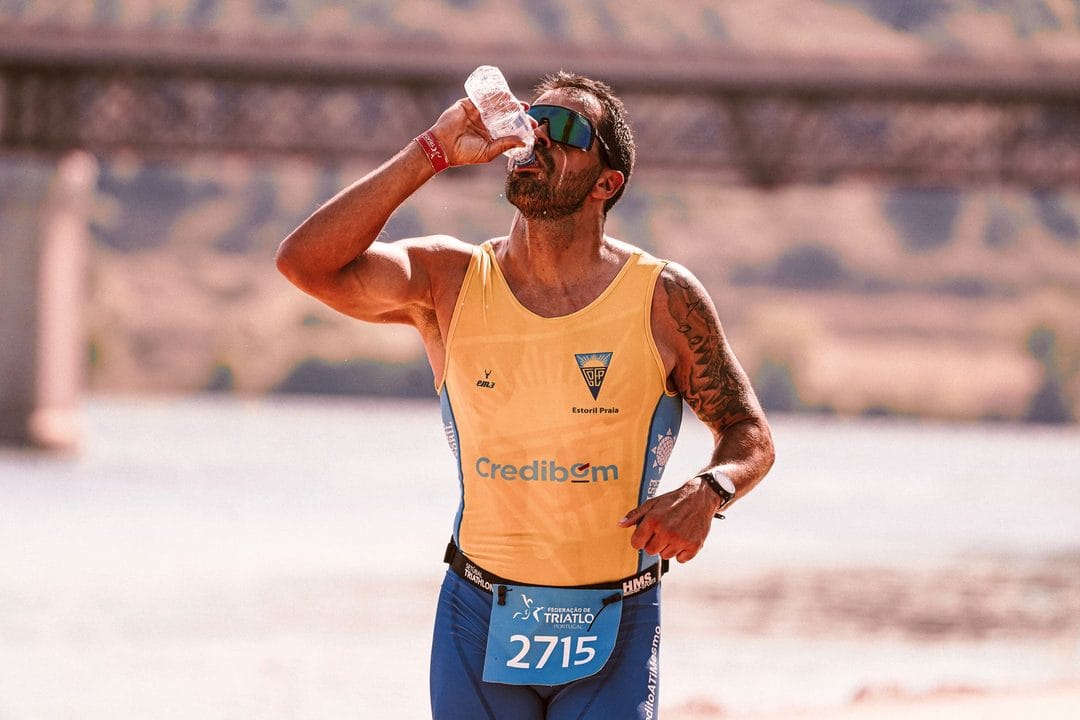
The first real heat wave of the year is the one that puts men in the emergency room, and almost none of them saw it coming. It isn't the marathon runner who goes down — he respects the heat. It's the 44-year-old who mows the lawn at 2 p.m. in July the same way he did at 30, finishes, feels strange, and ends up on a saline drip wondering what happened. Heat doesn't announce itself, and the body's cooling system is one of the things that quietly degrades with age and with the medications a lot of men over 40 are taking without thinking about it.
Why heat is a cardiac problem, not just a comfort problem
When your core temperature climbs, your heart works harder for two reasons at once. It pumps more blood to the skin to shed heat, and it pumps faster to compensate for the fluid you're losing through sweat. For a fit man that's a manageable load. For a man with even mild, undiagnosed blood pressure issues — and roughly half of American men have blood pressure they can't feel — it's a real strain stacked on a system already running closer to its limit than he realizes.
The danger window isn't the hottest single day. It's the second or third day of sustained heat, when sleep has been poor, the body hasn't fully rehydrated overnight, and a man does something physical out of habit. That's the setup behind most warm-weather cardiac events in middle-aged men. The work felt routine. The conditions weren't.
The medications that turn up the risk without warning
This is the part that genuinely surprises men. Several common prescriptions interfere with how you handle heat. Diuretics — the "water pill" a lot of men take for blood pressure — accelerate fluid loss exactly when you need to hold onto it. Beta-blockers blunt the heart-rate response that's supposed to help you cope. Some antihistamines reduce sweating, which is your primary cooling mechanism gone.
None of this means stop taking what your doctor prescribed. It means if you're on any of these and you're planning a hot afternoon of yard work or a long ride, you're starting from a different baseline than the guy next to you. Adjust the work, not the medication, and have an honest conversation at your next appointment about summer activity.
The hydration timing men get backwards
Most men hydrate reactively — they drink when they're thirsty, which by definition is already late. Thirst lags behind actual fluid need, and it lags worse as you age. The fix is boring and it works: drink steadily through the morning before any heat exposure, not a panicked liter right before you head out. A man who starts the day already topped up handles two hours of heat far better than one who chugs water at the first sign of trouble.
Plain water is fine for shorter efforts. Past about an hour of heavy sweating, you're losing sodium fast enough that water alone can actually work against you, diluting what's left. This is the one honest case for an electrolyte mix — not the $40 designer powders, just something with real sodium in it. A pinch of salt and some juice does the same job most days.
The warning signs that mean stop now
Heat exhaustion gives you a window before heat stroke takes it away. The signals: you stop sweating despite the heat, you get a headache that wasn't there, you feel dizzy or oddly nauseated, or your skin goes clammy and pale. The dangerous version is when a man notices these and pushes through to finish the job. Finishing the lawn is not worth a hospital visit. Get into shade, get fluid in, cool the back of your neck and your wrists with cold water.
The contrarian point worth making: most men over-worry about the marathon and under-worry about the driveway. The structured workout you've planned for is rarely what gets you. It's the unplanned physical task on a hot day — moving furniture, a long walk to a parking lot, an afternoon of fishing in full sun — that catches men off guard precisely because they didn't classify it as exercise.
How to play the next hot stretch
Move hard physical work to early morning or evening, full stop. Front-load your fluids before exposure rather than chasing thirst. If you're on blood-pressure medication, treat the first multi-day heat wave with extra caution and know your own warning signs. And drop the pride about powering through — the men who treat heat as a real variable, the way they'd treat ice on a road, are the ones who don't end up explaining to a nurse how a normal Saturday went sideways.